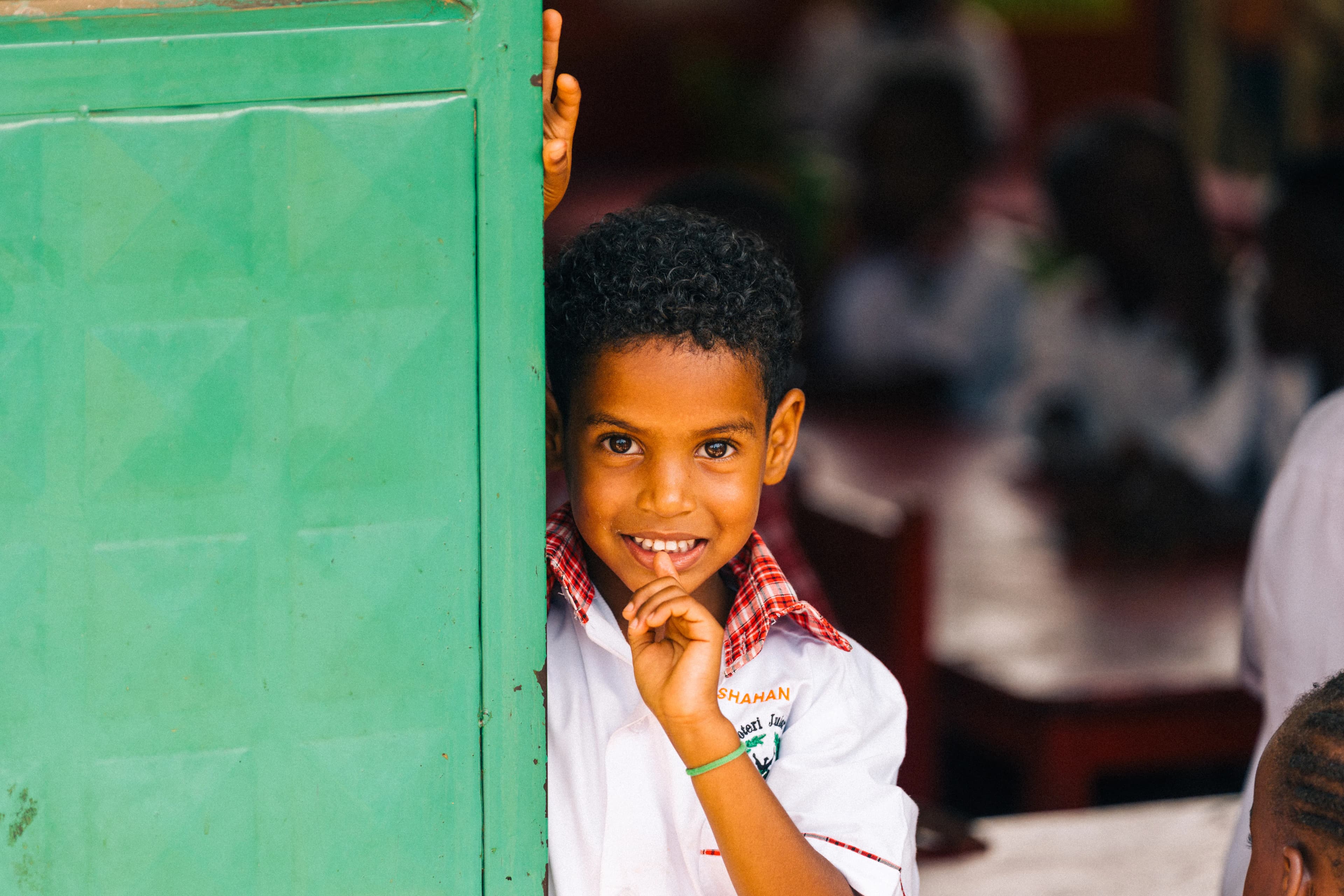
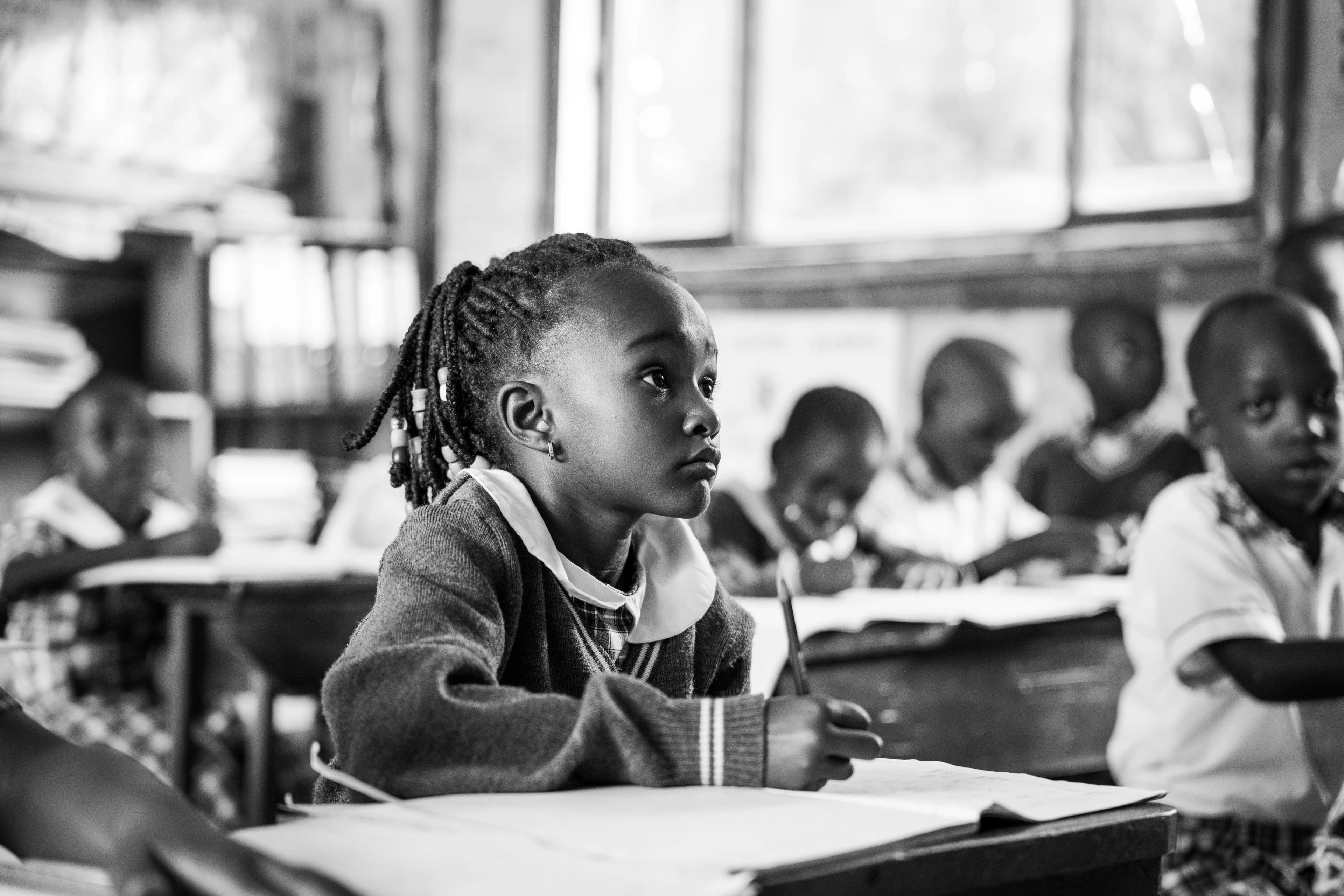
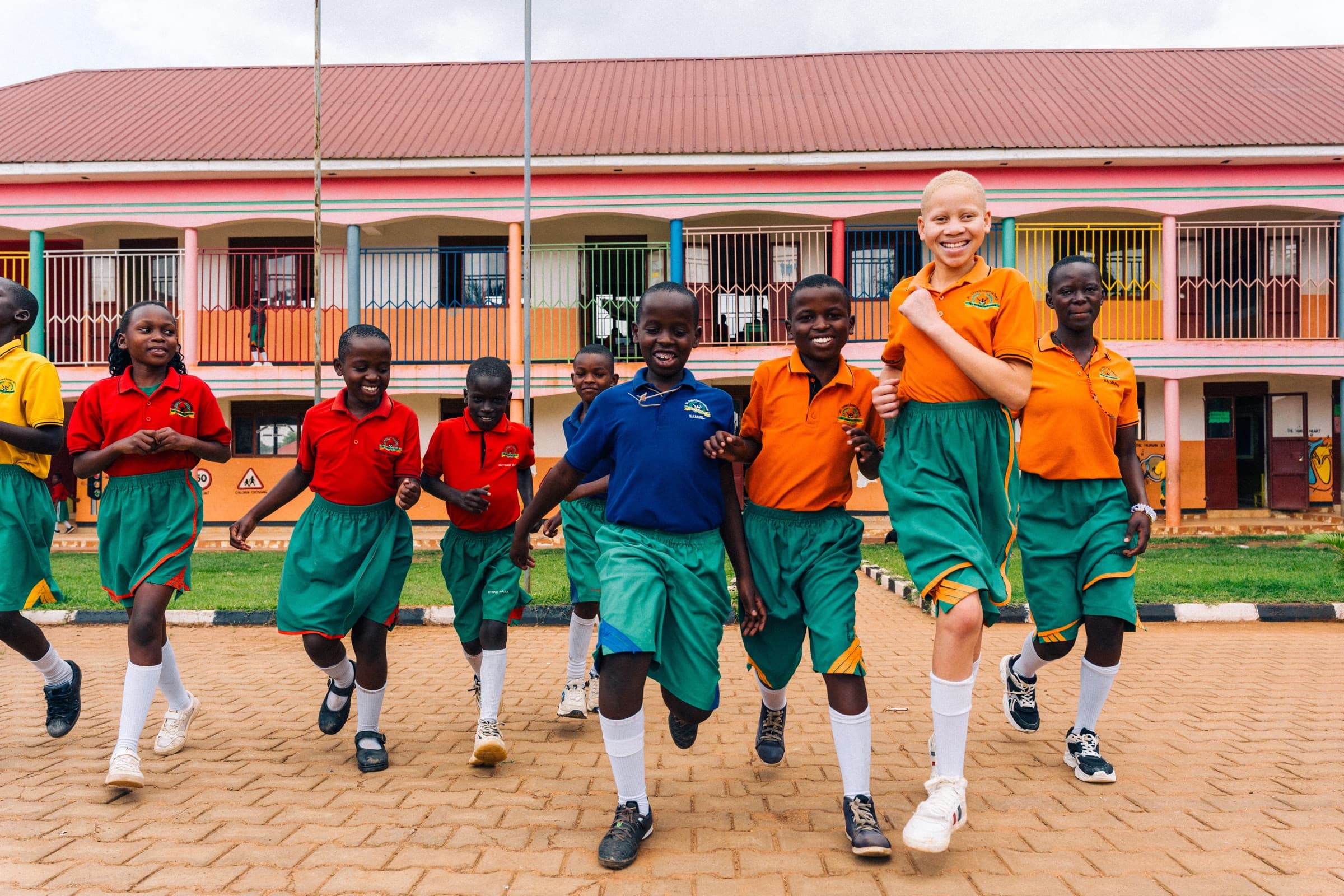
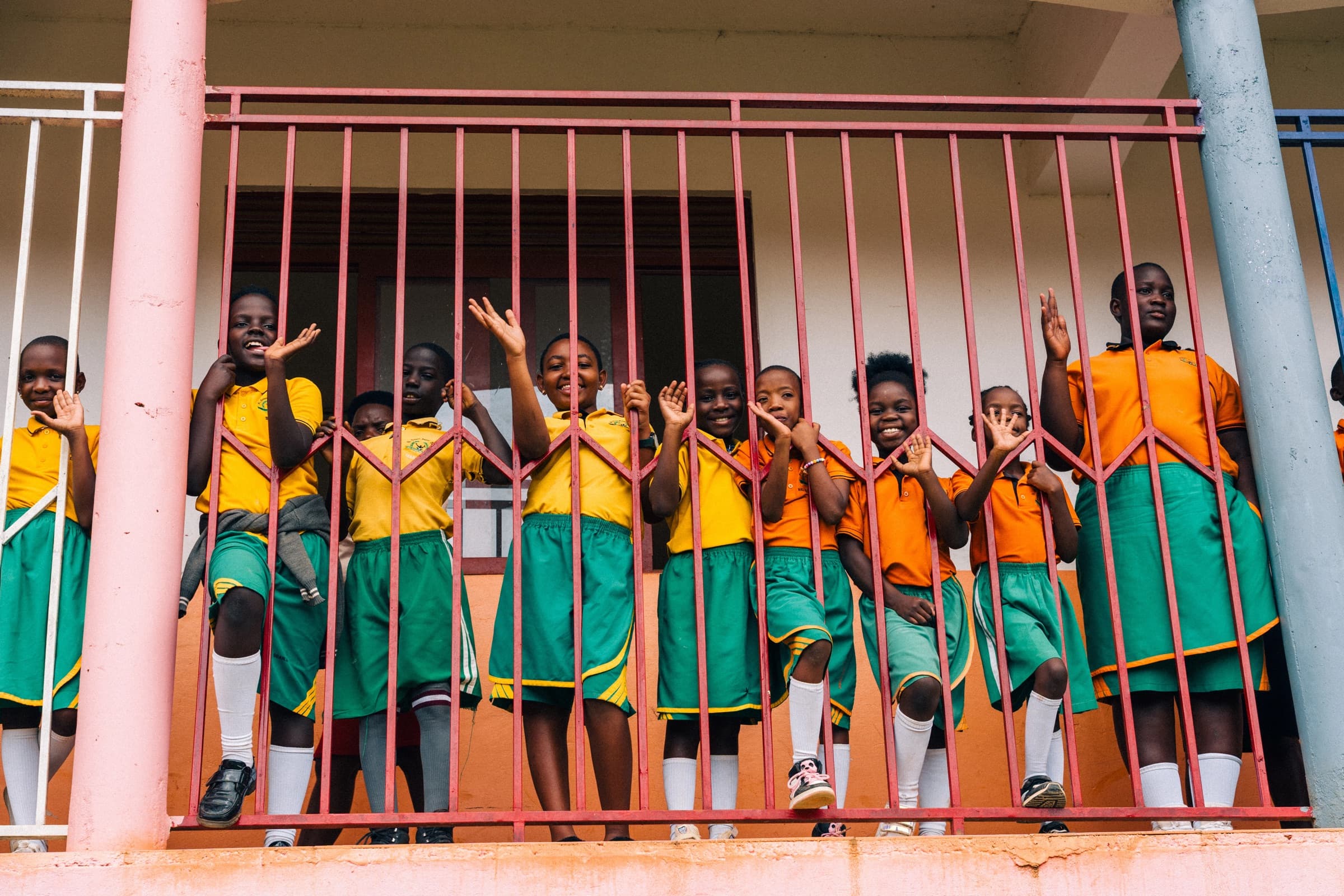
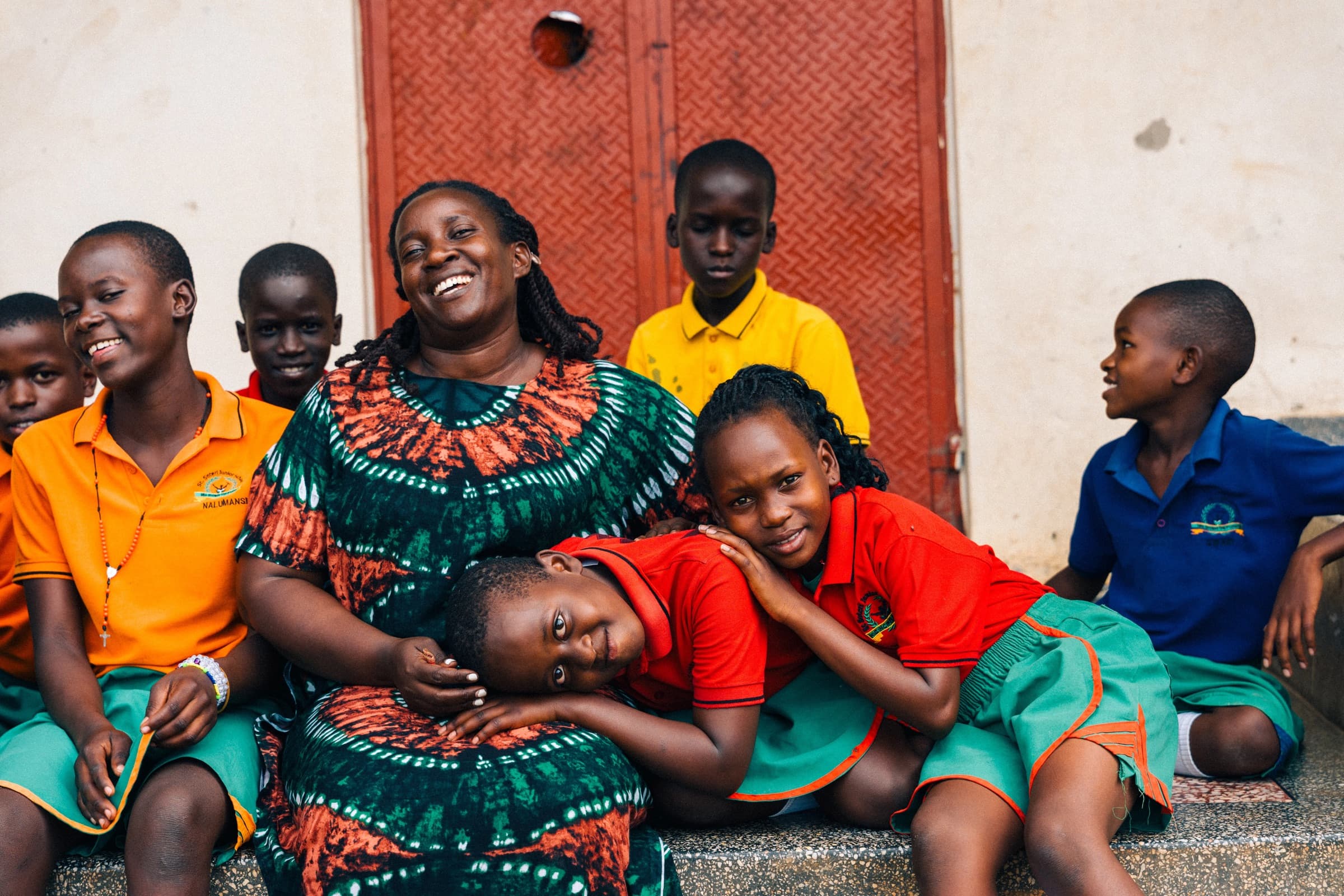
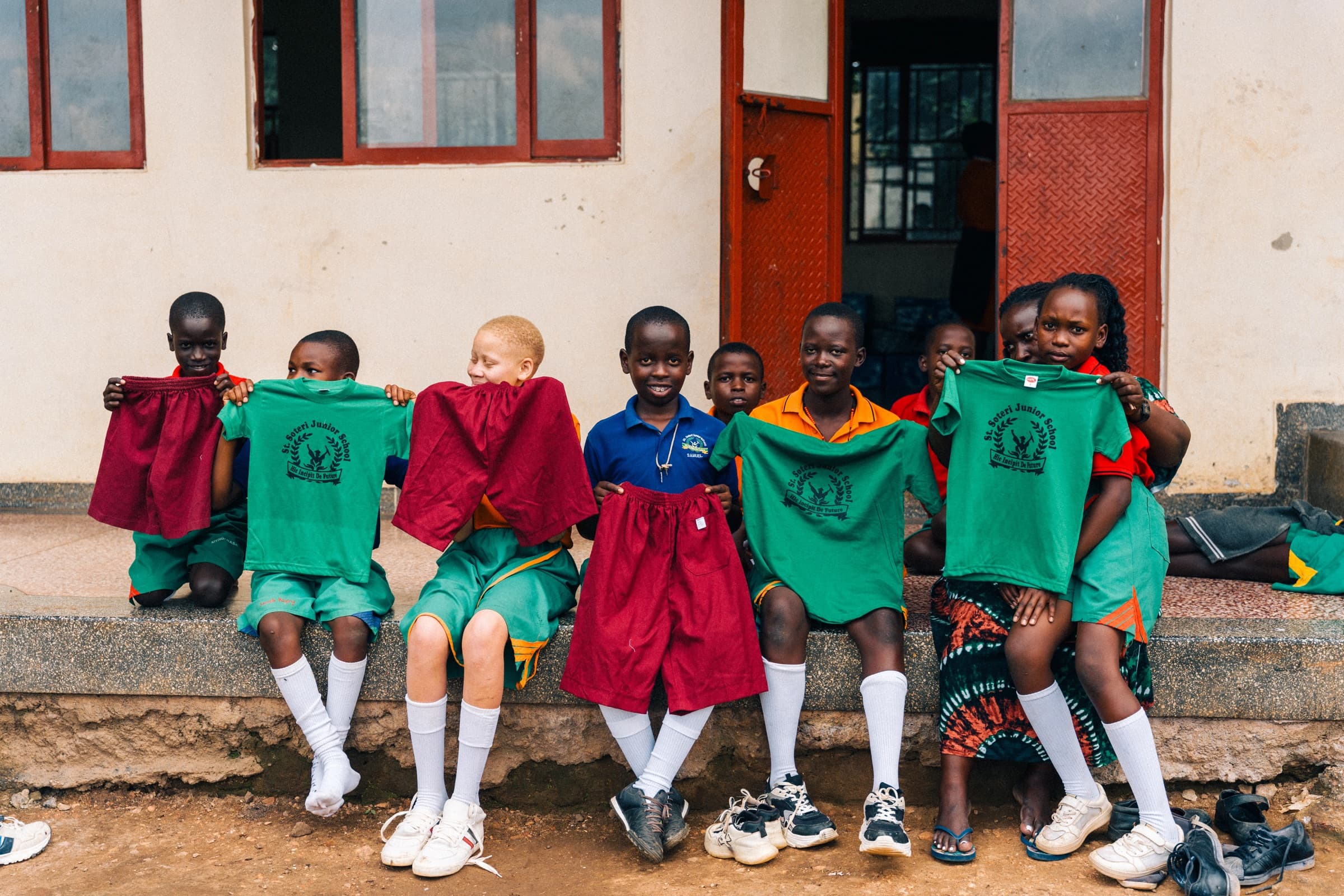
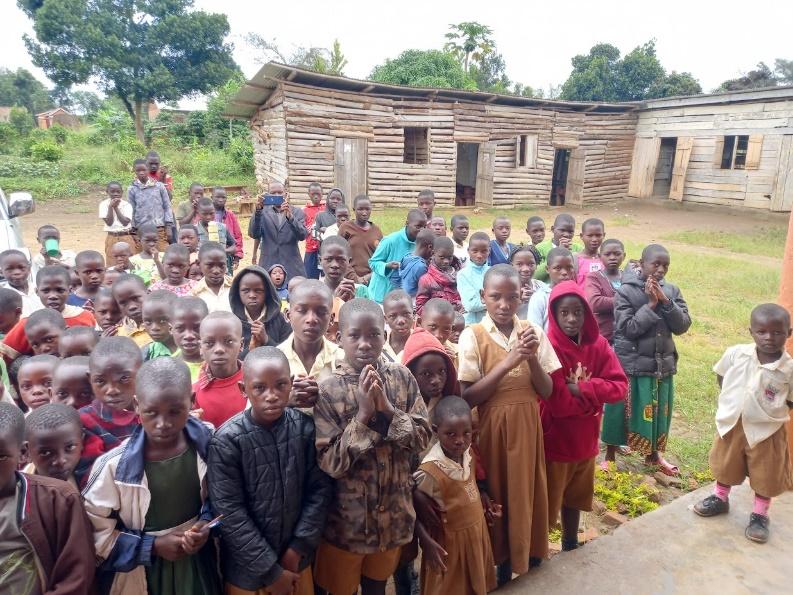
ARCOS was founded in 1998 by Cornelius Kateregga Bakubanja and has made a name for itself by supporting orphans and children in need at school.
01 — The schools
Three schools and a community
The organisation runs Gayaza Preparatory School, Gayaza Primary School and Gayaza Secondary and Vocational School near Kyotera in south-western Uganda.
ARCOS works with local authorities, local donors and central government bodies to carry out socio-economic activities in the community. These include seminars, visits, conferences and teaching practical skills. A women’s group advises the girls of Gayaza Secondary School on hygiene and family planning. With support from local institutions, ARCOS can run vaccination campaigns against tetanus and yellow fever. Contacts with decision-makers in the district and sub-district administration made it possible to obtain science and history textbooks.
Thanks to ARCOS’s commitment, the schools have been supported by international organisations such as World Vision, Engineers Without Borders Germany, Be The Change Volunteers (BTCV) from Massachusetts, USA, and Rotary International.
02 — Water
From a long walk to the spring to a water tank of their own
ARCOS first came into contact with Sabine Görg, today a board member of SOLI Uganda e.V., in 2013 during her volunteer work with Beacon of Hope. Together they went on a trip to learn how ISSB (Interlocking Stabilized Soil Blocks) are made and used as an alternative to conventional bricks. A few weeks later Sabine visited the schools in Gayaza and learned about their water problems.
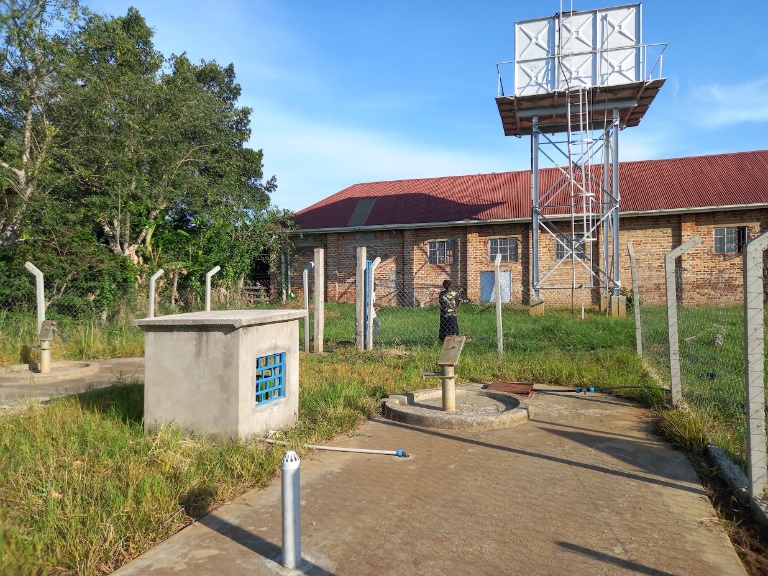
At the time, pupils had to walk two kilometres to a spring to fetch water for drinking, washing and laundry. After returning to Germany, Sabine Görg founded a group with Engineers Without Borders at Hamburg University of Technology to tackle these problems. Together with local experts and companies, the group planned and built a rainwater harvesting system from 2014 to 2016, with gutters, pipes and two water tanks of 60 m³ each.
In 2017/18 this was followed by a dining hall with a kitchen, rainwater harvesting from the roof and hand-washing basins. The buildings were funded by several German foundations, company contributions and donations via Betterplace.
03 — Coffee
A plantation that supports the schools
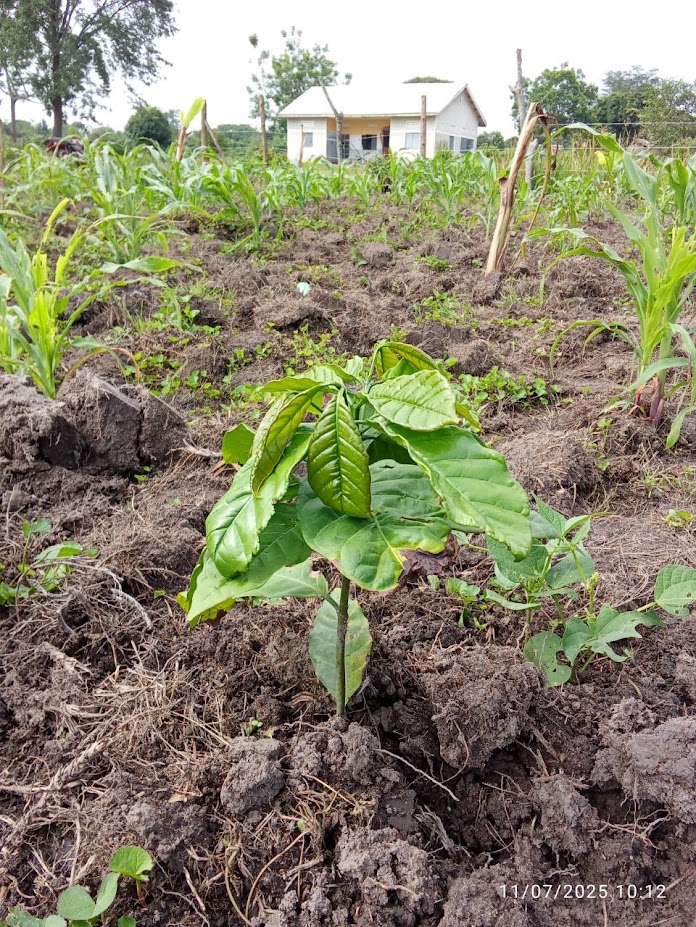
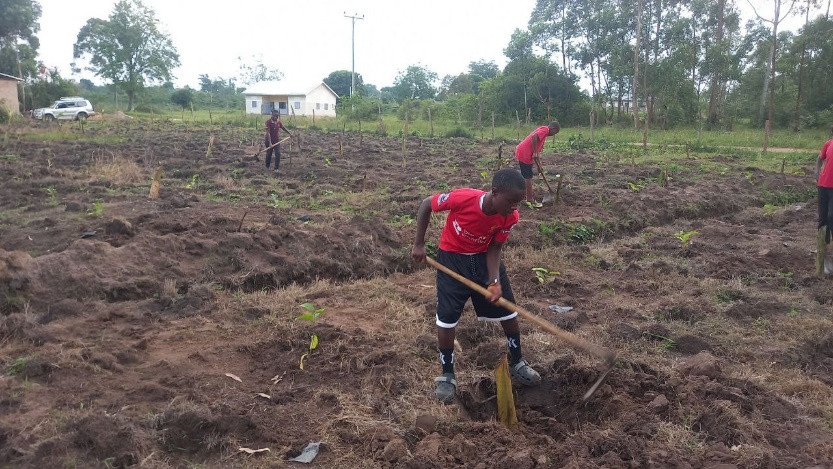
Sabine and Cornelius stayed in touch. During her visits to Gayaza in 2018, 2021 and 2024 the idea arose to improve the schools’ difficult financial situation by growing coffee. Cornelius gave ARCOS a piece of land for growing coffee and cooking bananas (matoke). The matoke harvest is meant for school meals; the income from the coffee is meant to stabilise the school finances.
SOLI supported the project with applications for BMZ funding to the Stiftung Nord-Süd-Brücken and to the Georg Kraus Stiftung. It was carried out from April 2025 to March 2026. The plantation was planned and planted together with the Sanje EcoGrowers Cooperative (SECo-op) and Broadfield Enterprise Uganda (BEU), two social enterprises with many years of experience in sustainable farming and permaculture.
The project included a shallow well with water distribution, a simple two-room house as a store and as shelter for guarding the plantation at night, and a fence.
Pupils and teachers of Gayaza Secondary School took part in planning, planting and looking after the plantation, supported by SECo-op and by the head teacher, who teaches agriculture. The pupils are meant to carry their knowledge of permaculture and coffee growing back to their families.